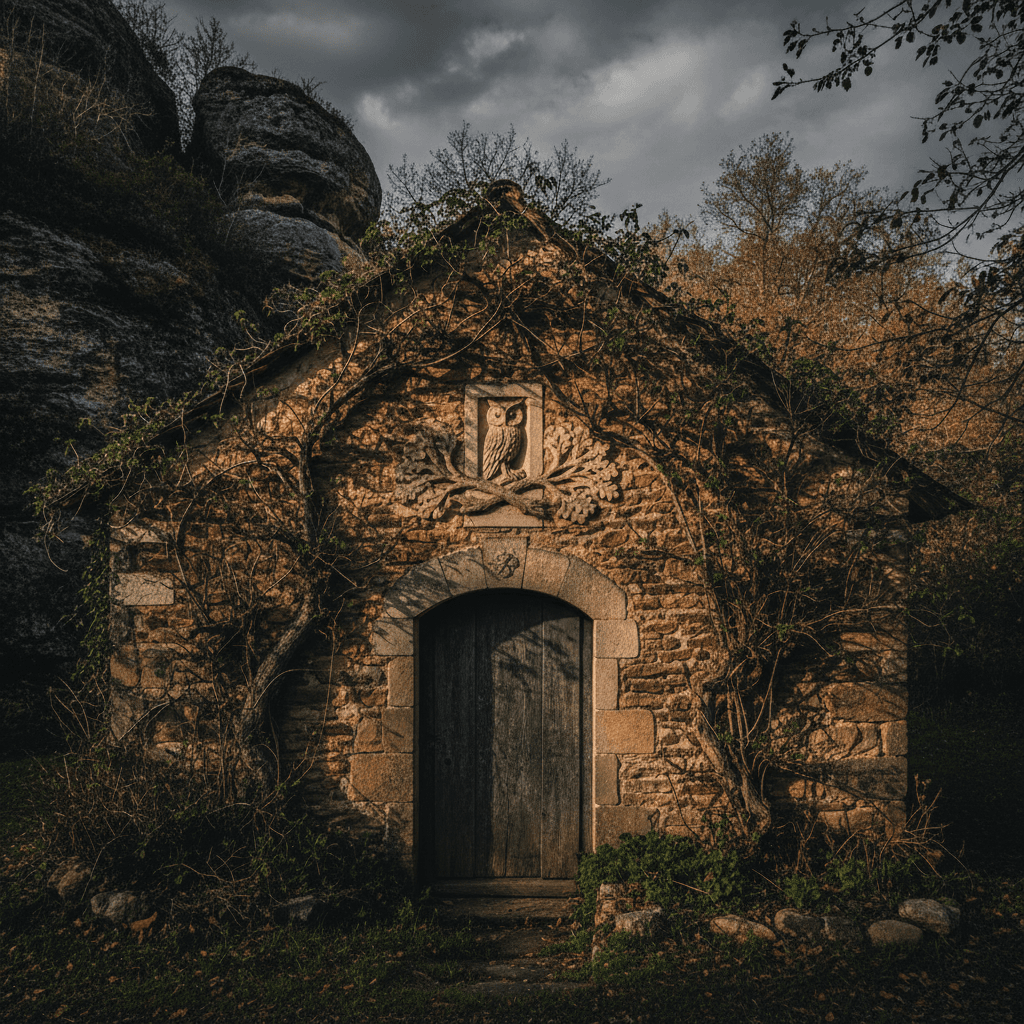

Burnout requires more than basic rest because it stems from chronic emotional and physical exhaustion that necessitates intentional, structured recovery. Specialized restorative retreats address these deeper needs by providing professional guidance, nervous system regulation, and holistic tools to help individuals move beyond temporary relief toward sustainable mental well-being.
You finish a week of leave only to realize the heavy pressure in your chest remains unchanged. This is the exhaustion that sleep alone cannot fix; it is a profound physiological depletion where the nervous system remains stuck in a state of high alert. When the simple act of taking a break no longer yields recovery, it indicates that your internal capacity for restoration has been compromised. At Domaine du Banaret, we recognize that deep burnout requires more than mere silence. It demands a structured, clinical approach to stillness. This article examines why traditional holidays often fail to break the burnout cycle. We will detail the five pillars of restoration and explain how the unique environment of rural France facilitates neurological recalibration. Understanding the distinction between passive leisure and restorative recovery is the essential first step toward reclaiming your vitality.
The Paradox of Being Tired but Unable to Rest

For the high-functioning professional, the most unsettling symptom of chronic stress is often not the fatigue itself, but the failure of sleep to remedy it. You may find yourself waking after a full ten hours of rest, yet your limbs feel heavy and your mind remains clouded by a persistent, low-level fog. This is the paradox of being tired but unable to rest. While acute tiredness is a physiological signal that your body requires sleep to recover, burnout represents a systemic collapse of energy. It is a state where the nervous system has become so accustomed to high-alert survival mode that it no longer recognizes how to down-regulate, even in the absence of immediate demands.
Traditional methods of relaxation often fall short because they do not address this deep-seated dysregulation. When the baseline of your internal environment has shifted toward constant vigilance, a simple weekend away is merely a pause in the momentum rather than a true reset. Addressing this level of depletion requires a structured intervention that combines clinical insight with a supportive, intentional environment. This is where burnout restorative retreats offer a necessary shift. By moving beyond the passive concept of a vacation, these clinical burnout retreats focus on the Science of Nervous System Restoration to help the body exit the sympathetic fight or flight loop.
Understanding this distinction is the first step toward reclaiming your vitality. For those beginning to navigate this journey, our free practice resources offer preliminary tools to bridge the gap between exhaustion and true recovery. This clinical approach recognizes that you cannot simply think your way out of burnout. You must provide the body with the specific sensory and psychological safety it needs to finally soften.
Why Traditional Holidays Often Fail the Burnout Cycle

Standard vacations often operate as a temporary distraction rather than a biological reset. This phenomenon, frequently termed the post-vacation crash, occurs when the transition back to daily life feels insurmountable despite a week of absence from the office. For a nervous system already brittle from chronic stress, the typical elements of a holiday can be inadvertently taxing. Navigating busy airports, adhering to strict sightseeing schedules, consuming rich foods, and managing social expectations all require a high level of cognitive processing and sensory input. While these activities provide a change of scenery, they maintain the body in a state of high stimulation that mirrors the demands of the workplace.
The fundamental issue lies in the difference between passive rest and active nervous system regulation. When the body is stuck in a sympathetic, or fight or flight, state, it does not automatically shift into recovery mode simply because you have stopped working. Passive rest, such as scrolling through media or lying on a crowded beach, does not address the physiological noise of burnout. In fact, the lack of structure in a typical holiday can sometimes increase anxiety; the mind, deprived of its usual tasks, begins to loop through past stressors or future worries in an attempt to remain productive.
To move out of this cycle, the nervous system requires more than just the absence of work. It requires the presence of specific safety signals. This is why restorative retreats prioritize a contained and minimalist environment. By removing the burden of choice and the friction of high-stimulation travel, we allow the prefrontal cortex to finally disengage. Understanding the Science of Nervous System Restoration reveals that true recovery is a physiological process that must be facilitated with intention. Without a structured environment, a holiday is merely a pause, leaving the underlying exhaustion untouched. For those beginning to explore this transition, incorporating free practice resources into your routine can highlight the specific areas where your current rest strategies are failing.
The Restorative Difference of Burnout Retreats
To move beyond the limitations of standard travel, one must understand the distinction between luxury and restorative intervention. A luxury spa provides comfort, and a standard yoga retreat offers physical activity, but neither is specifically designed to recalibrate a dysregulated nervous system. Restorative burnout retreats operate through a different lens, prioritizing psychological safety and the physiological requirements of systemic recovery over mere relaxation. At Domaine du Banaret, this process is overseen by founder Ewa Kampelmann, whose background as a psychologist and yoga therapist ensures that every element of the stay is grounded in evidence-based practice.
The core of this restorative difference lies in the Science of Nervous System Restoration. While a typical holiday might leave you with a long list of choices, from dining options to excursion routes, a restorative retreat deliberately minimizes decision fatigue. Chronic stress often manifests as an inability to process even minor choices without significant cognitive strain. By providing a contained environment where the logistics of the day are held by experts, the prefrontal cortex is finally granted permission to disengage. This containment creates what psychologists call a secure base, an environment where the individual feels safe enough to lower their internal defenses and exit the survival loop.
Healing burnout requires more than just the absence of noise. For a person in a high-alert state, total silence can sometimes feel unsettling or even threatening, as the mind rushes to fill the void with rumination. True restoration requires intentional safety. This is achieved through a structured integration of restorative retreats protocols, such as somatic awareness and nervous system regulation. These methods help the body transition from a state of hyper-vigilance to one of repair, using specific sensory cues to signal to the brain that the perceived threat has passed.
By addressing the biological roots of exhaustion, these interventions bridge the gap between temporary relief and long-term resilience. For those who cannot yet commit to a full residential program, our free practice resources provide an entry point into these clinical concepts. These tools offer a way to begin stabilizing the nervous system in your current environment, preparing the groundwork for deeper restorative work.
Restoration Through the Five Pillars of Stillness

Transitioning from the conceptual understanding of safety to its practical application requires a restorative framework. The architecture of a true recovery environment is built upon deliberate, evidence-based choices.
Sensory Reduction: For a professional accustomed to constant digital notifications and high-stakes cognitive demands, the environment must act as a filter. We utilize quiet, minimalist spaces to reduce the sheer volume of data the brain is required to process. This intentional reduction directly addresses brain fog, providing the prefrontal cortex with the space it needs to disengage from external surveillance and enter a state of deep repair.
Nature Immersion: The landscape of the Périgord Vert provides the biological baseline necessary for the Science of Nervous System Restoration. Regular exposure to the natural rhythms of rural France signals to the primitive parts of the brain that the environment is no longer a site of competition or threat. This immersion is vital for resolving the state of hyper-vigilance that often keeps the body trapped in a sympathetic loop long after work hours have ended.
Somatic Practice: Burnout often manifests as a profound disconnection between the mind and the physical self. Through structured yoga therapy and body scans, we guide individuals back into their bodies. These practices address the physical storage of stress, helping to resolve symptoms like chronic muscle tension and autonomic dysregulation by focusing on the felt sense of safety rather than just the intellectual understanding of it.
Creative Flow: A hallmark of advanced burnout is emotional detachment or a sense of professional numbness. By incorporating the principles used in our artist residencies, we provide opportunities for creative expression without the pressure of a performance-based outcome. Engaging in creative flow allows the brain to exit rigid, survival-based thinking and re-establish a sense of agency and internal vitality.
Professional Guidance: A restorative stay must be anchored by professional expertise. Having a qualified psychologist facilitate the experience ensures that the transition out of a high-stress state is handled with the appropriate care and skill.
For those seeking to experience these pillars in a residential setting, our restorative burnout retreats offer a deep immersion in these methodologies. In the interim, you can begin to integrate these principles into your life through our free practice resources, which provide preliminary tools for sensory management and somatic awareness.
The Role of Rural France in Nervous System Recovery
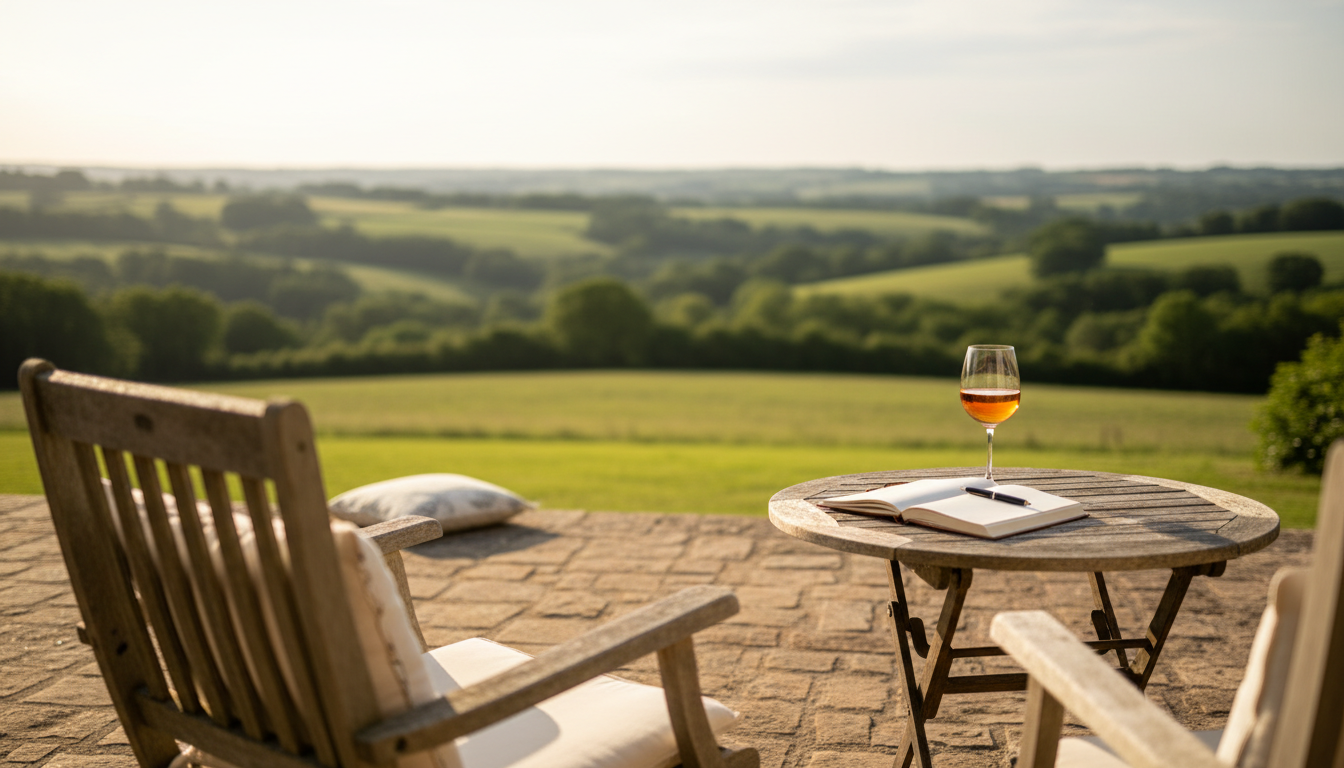
The location of Domaine du Banaret in Bussière-Badil, situated within the Périgord Vert of Nouvelle-Aquitaine, is a deliberate choice grounded in environmental psychology. The recovery of a compromised nervous system is deeply influenced by the quality of the external landscape. In urban settings, the brain is constantly engaged in "hard fascination," which requires intense, directed attention to filter out sirens, screens, and social density. In contrast, the rural landscape of France invites "soft fascination." This psychological state occurs when the mind is held by gentle, non-threatening stimuli; the sight of rolling green hills, the texture of ancient stone walls, and the complete absence of mechanical noise allow the prefrontal cortex to cease its constant monitoring and begin the process of cognitive repair.
The aesthetic of the property reinforces this transition toward the Science of Nervous System Restoration. We utilize a palette of deep forest greens and warm creams to mirror the surrounding woodland, creating a visual continuity that reduces the brain's need to orient to new or jarring information. The historical weight of a traditional French farmhouse acts as a "secure base," providing the physical and psychological grounding necessary for individuals attending our restorative retreats. Within these thick stone walls, the environment provides a sense of permanence and protection that contemporary glass-and-steel offices cannot offer. By aligning the external environment with internal safety needs, we create the optimal conditions for profound recovery. For those who cannot visit the Dordogne immediately, our free practice resources offer methods to cultivate these states of soft fascination within a domestic setting.
Identifying the Right Time for a Restorative Retreat
High-functioning professionals often possess an exceptionally high threshold for discomfort, which can paradoxically mask the severity of their internal depletion. This resilience, while a professional asset, frequently leads to a delay in seeking restoration until a systemic collapse occurs. Identifying the tipping point requires an honest assessment of internal signals that go beyond mere exhaustion. You may find yourself waiting for a singular breaking point, yet the reality of burnout is often a slow, corrosive slide.
Consider the following indicators as markers that your nervous system has reached its capacity for self-regulation:
Do you experience a profound sense of dread when Monday approaches, even after a weekend spent in total inactivity?
Are you noticing the onset of compassion fatigue, where the needs of clients, patients, or colleagues elicit cynicism or irritation rather than your usual empathy?
Do you find yourself in a state of functional freezing, where you can still perform complex work tasks but feel paralyzed by simple domestic decisions like choosing a meal?
Is your physical baseline characterized by a persistent wired but tired sensation that prevents deep, restorative sleep?
If these experiences are frequent, the requirement for a structured intervention is already present. Choosing to attend restorative burnout retreats is a proactive investment in your long-term health and professional longevity rather than a last-resort crisis measure. Waiting for a total breakdown often necessitates a much longer and more complex recovery period than the intentional, early pause provided by a specialized environment.
Understanding these signals is a core component of the Science of Nervous System Restoration. For those who are not yet ready for a residential stay but recognize these patterns, our free practice resources offer immediate, evidence-based tools to begin stabilizing the nervous system. Recognizing the need for help is a sophisticated acknowledgment of your biological limits, ensuring that your capacity for creativity and leadership remains sustainable for years to come.
Recovery from burnout requires more than a simple weekend away; it demands a fundamental shift in how we approach our long term well-being. While individual self care is a vital start, lasting restoration often requires a structured and supportive environment. If you feel that you would benefit from expert guidance to navigate this restorative journey, our team is here to help you find your path back. You can learn more about our approach to see if a dedicated retreat is the right next step for your healing.