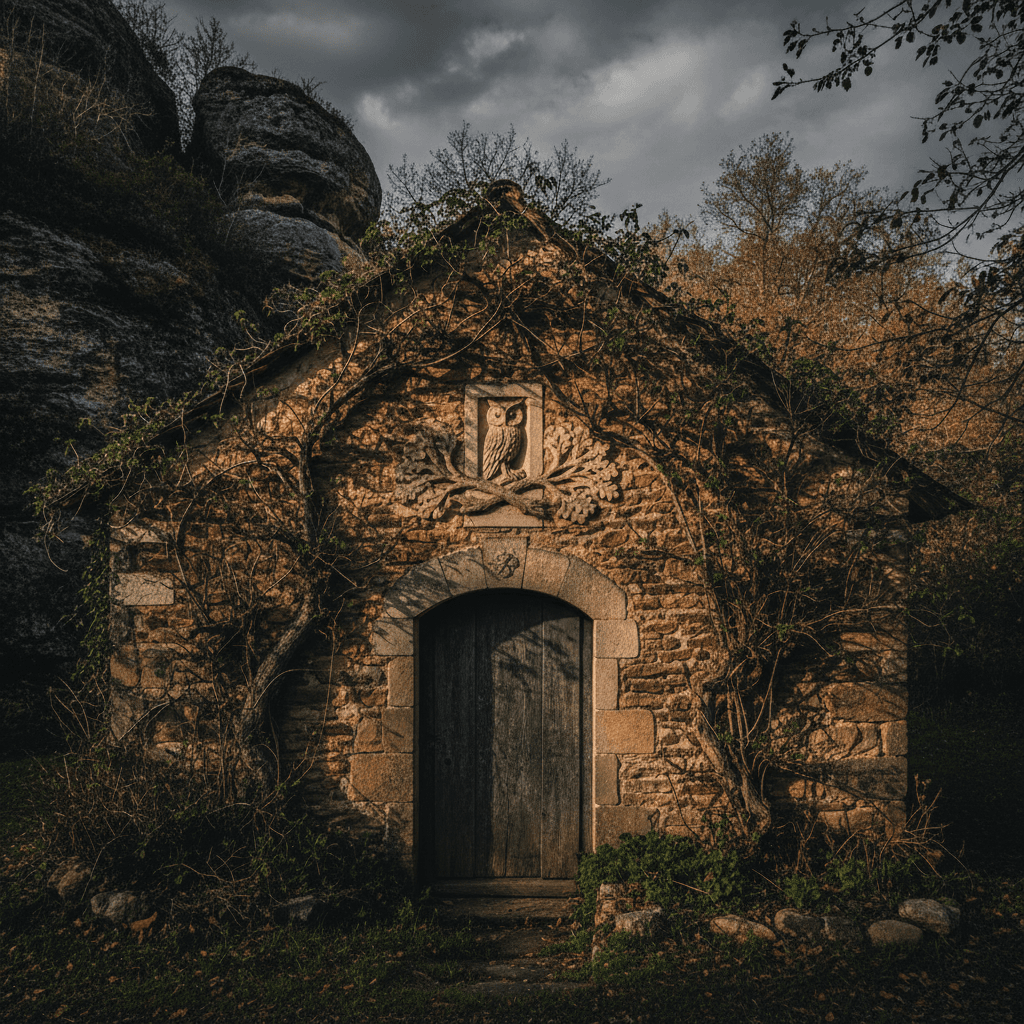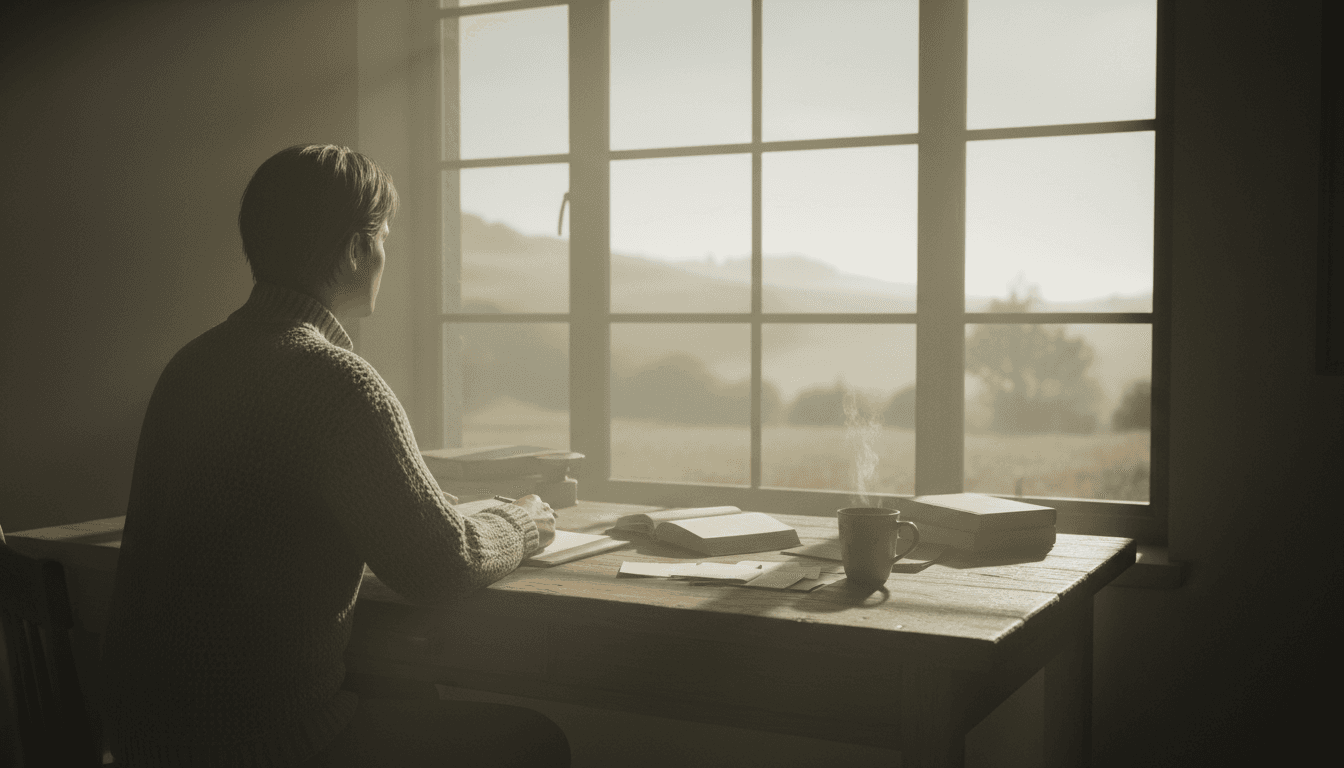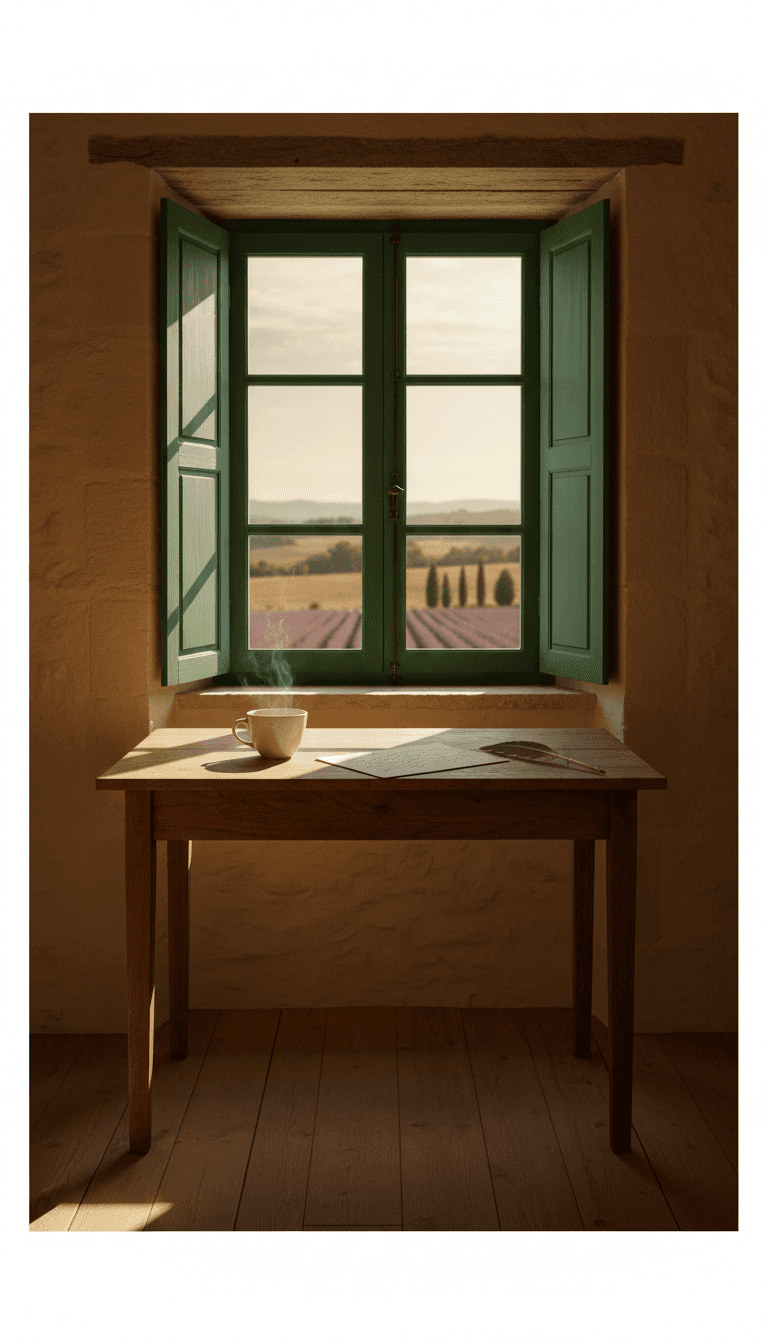
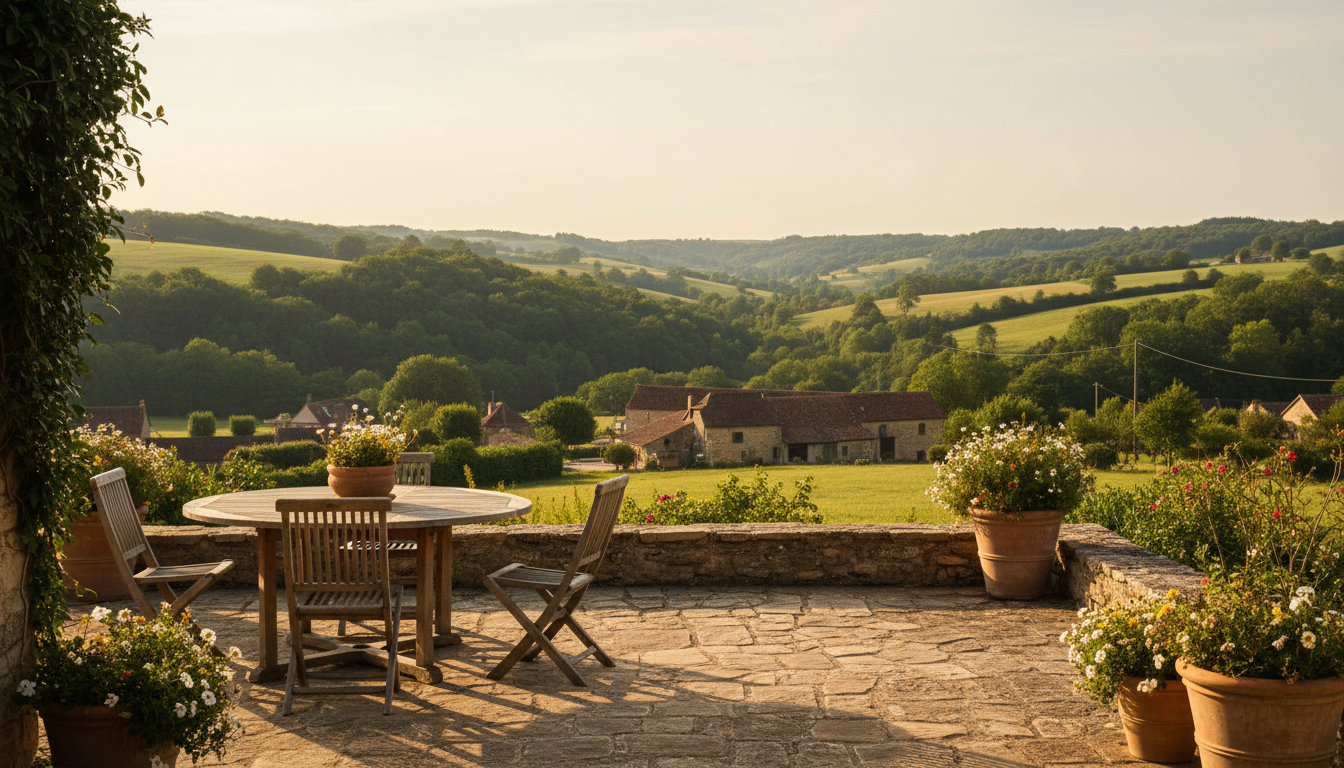
Artists choose the solitude of a Périgord artist residency to eliminate daily distractions and foster the deep focus required for meaningful creative breakthroughs. This immersive environment leverages the natural link between solitude creativity artist residency programs and enhanced artistic output, providing a quiet sanctuary for professional growth and innovation.
The modern creative landscape is often a cacophony of digital interruptions and domestic obligations that fracture the deep focus necessary for significant work. You likely find that your most ambitious projects remain sidelined by the relentless friction of daily life. This persistent noise does more than just delay your progress; it actively stifles the cognitive stillness required for genuine innovation. True creative mastery demands a deliberate departure from the ordinary. In this exploration, we examine the profound distinction between mere isolation and productive solitude within the specific context of the Périgord Vert. We will analyze the restorative benefits of a managed residency, the unique atmospheric catalysts of the French countryside, and the practical frameworks required to transform a period of seclusion into a definitive professional breakthrough.
The Distinction Between Loneliness and Productive Solitude
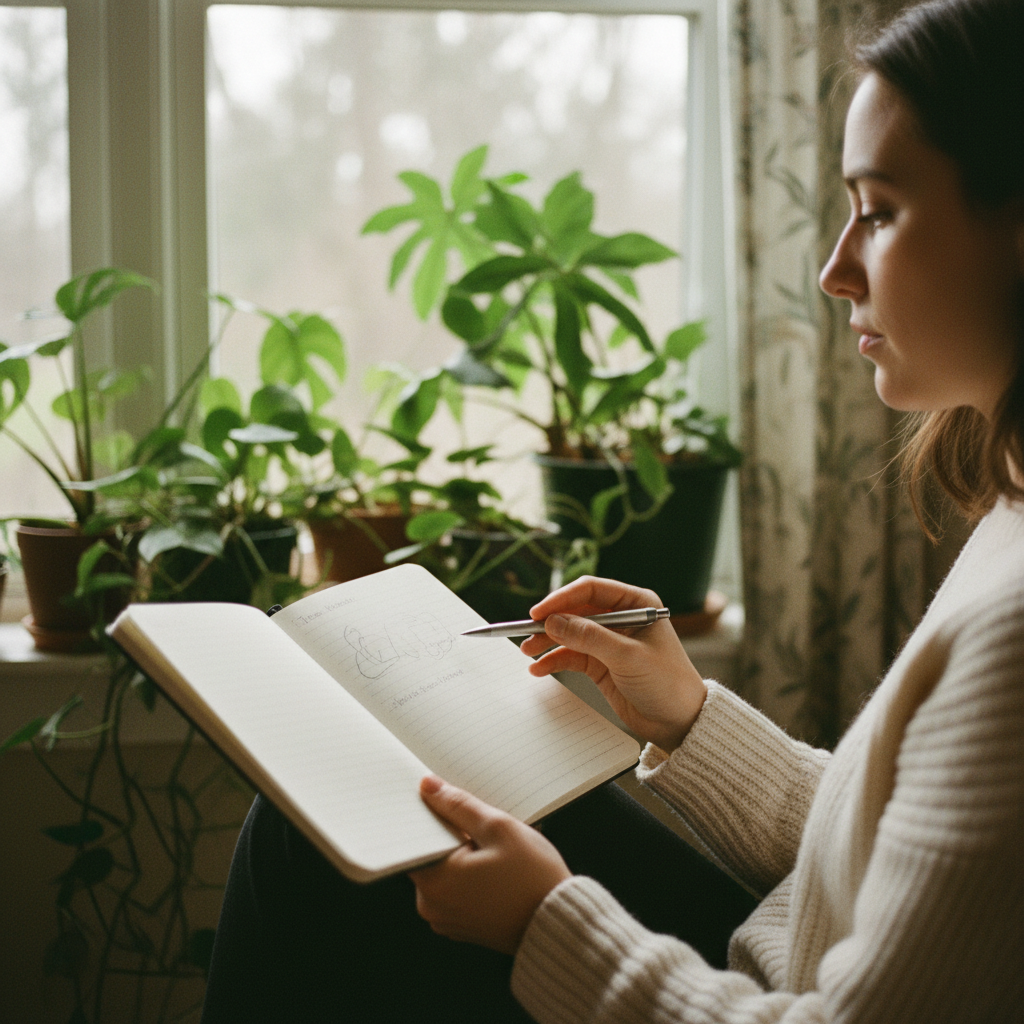
In the lexicon of high performance, we often conflate the act of being alone with the hollow ache of loneliness. From a psychological perspective, however, the distinction is profound. Loneliness is a state of social poverty, characterized by a distressing gap between desired and actual connection. In contrast, the solitude cultivated within creative residencies is an act of social richness. It is the deliberate choice to be alone without being lonely, creating a necessary container for restorative deep work and self-attunement.
Most high functioning professionals and dedicated artists suffer from a condition we define as 'input fatigue.' When the brain is constantly reacting to digital notifications, professional deadlines, and social expectations, it remains locked in a task-positive state. This perpetual stimulation prevents the mind from accessing its most fertile neurological pathways. To create, or even to recover, one must first silence the noise that demands a constant response.
Ewa Kampelmann, drawing on her background as a health psychologist and founder of this restorative property, emphasizes that solitude serves as the 'incubation period' for the brain's default mode network (DMN). This network is far from idle; it is the primary engine of creative synthesis. When external demands are removed, the DMN allows disparate ideas, professional challenges, and artistic fragments to finally interconnect. It is during these periods of quietude that the subconscious completes the heavy lifting of innovation and problem-solving.
This neurological shift explains why a standard holiday often fails to resolve chronic stress or creative stagnation. A generic vacation frequently introduces new inputs: travel logistics, crowded sights, or social obligations. A dedicated solitude creativity artist residency provides a structured environment of 'non-doing.' By removing the burden of choice and the friction of daily life, it provides the psychological safety required for the nervous system to shift from a state of hyper-vigilance to one of generative reflection.
Why the Périgord Vert is a Catalyst for Creative Flow
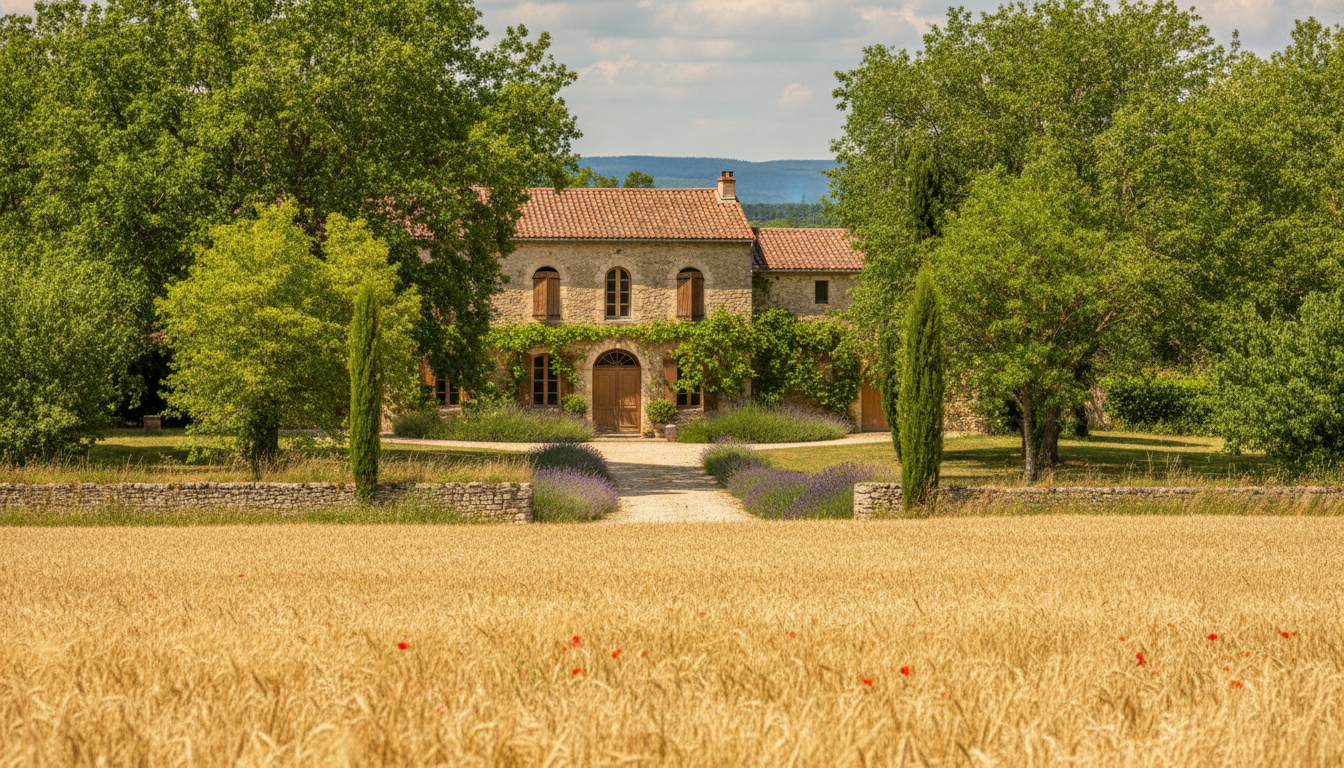
The geography of Bussière-Badil, situated in the heart of the Périgord Vert, acts as a physical extension of the mental quietude necessary for cognitive synthesis. This region of Nouvelle-Aquitaine is defined by its sensory consistency: the dense, monochromatic deep greens of the forest and the rhythmic texture of ancient stone architecture. For a professional accustomed to the fractured attention of urban life, the absence of literal and digital noise here is more than a relief; it is a physiological reset.
This uncluttered landscape mirrors the mental state required for deep work. When the visual field is occupied by the organic complexity of nature rather than the artificial complexity of a city, the brain can shift its focus inward. The environment at this restorative property does not demand active processing. Instead, it offers a stable, low-stimulus backdrop that allows the practitioner to descend into a state of flow without the friction of competing interruptions.
The local light in rural France has a historical reputation for a reason. In the Périgord Vert, the light is soft yet clear, often filtered through the gentle humidity of the surrounding river valleys. This creates the high-contrast clarity that has drawn painters to this corner of Europe for centuries. For those attending a solitude creativity artist residency, this illumination is more than aesthetic. It serves as a tool for observation, grounding the individual in the present moment through visual precision. By aligning the external environment with the internal need for clarity, the landscape of Bussière-Badil becomes an active participant in the creative residencies we host, facilitating a depth of concentration that is rarely achievable in a modern professional setting.
The Cognitive Benefits of a Managed Artist Residency
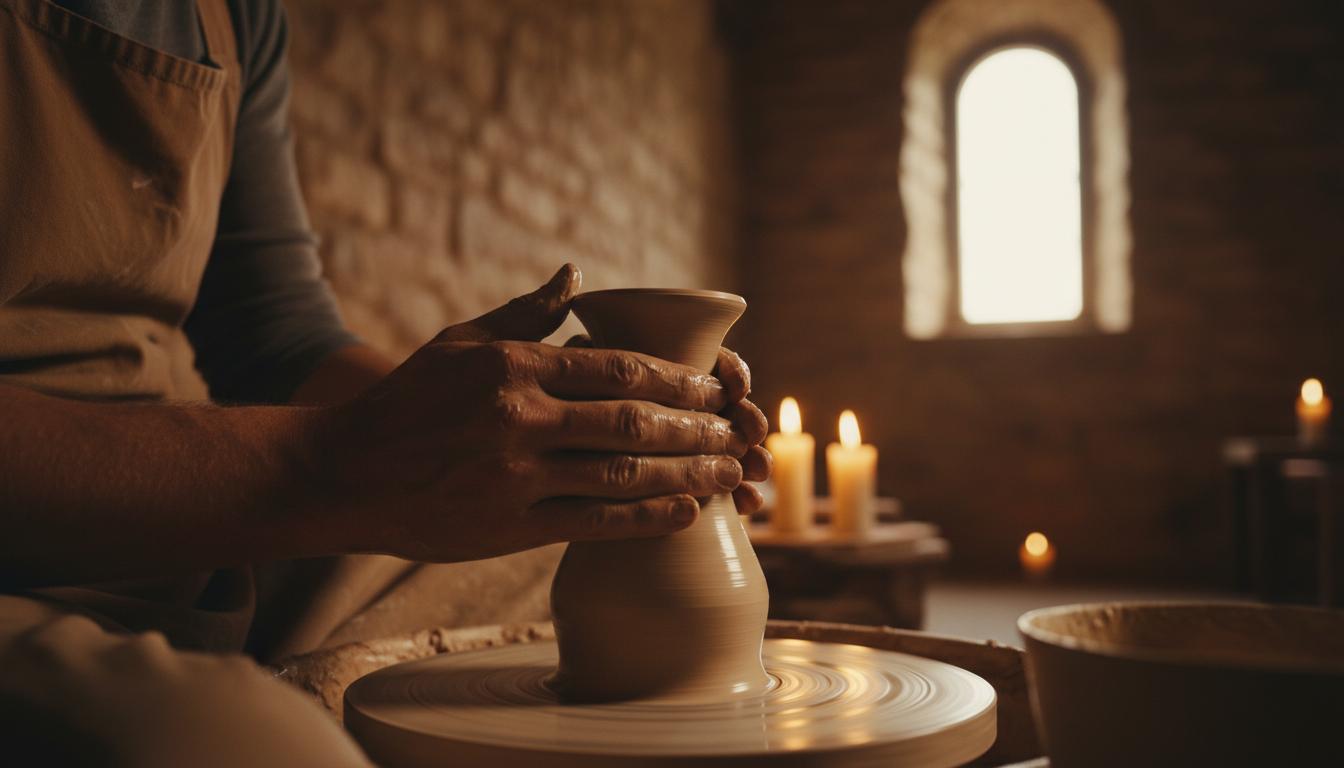
The transition from the external landscape to the internal cognitive experience is mediated by the structure of the stay itself. A common misconception is that any break from work facilitates recovery. However, a generic holiday often imposes its own cognitive load through the mechanism of decision fatigue. Every choice, from selecting a restaurant for dinner to navigating unfamiliar transit, consumes a finite amount of mental energy. For the high-functioning professional, these micro-decisions act as a constant drain on the executive functions required for deep, creative synthesis.
A managed solitude creativity artist residency at Domaine du Banaret is designed to eliminate this friction. By removing the logistical burdens of meal preparation, scheduling, and social performance, we return that cognitive energy to the resident. This intentional subtraction allows for total immersion in the work or the restorative process. When the mind is no longer tasked with the maintenance of daily life, it can finally afford to enter a state of deep, uninterrupted focus.
Feature | Generic Vacation | Managed Residency at the Domaine |
|---|---|---|
Cognitive Load | High (Logistics and planning) | Minimal (Structured support) |
Social Demand | Moderate (Interaction required) | Low (Protected solitude) |
Mental State | Reactive (New stimuli) | Proactive (Deep work) |
Primary Goal | Distraction | Synthesis |
This environment provides a level of psychological safety that a standard hotel or guest house cannot offer. Because our restorative property is founded on therapeutic expertise, the space is inherently calibrated for those experiencing burnout or creative blocks. There is no social pressure to be productive in a traditional sense, nor is there the expectation of constant engagement. This lack of external judgment is crucial for down-regulating the sympathetic nervous system. It transforms the stay from a simple period of leave into a form of transformative professional development. By shielding the resident from the noise of obligation, our creative residencies create the conditions where the brain can move beyond survival mode and return to a state of generative insight. Those who wish to maintain this clarity after their stay often find our free practice resources helpful for sustaining these cognitive boundaries in a domestic setting.
From Burnout to Breakthrough: A Restorative Perspective
The transition from chronic stress to creative breakthrough requires more than a temporary pause; it necessitates a fundamental restorative shift. From a therapeutic perspective, this means activating the parasympathetic nervous system, the mechanism responsible for calm, digestion, and the gentle restoration of the body's resources.
In the agricultural heritage of the Périgord Vert, farmers recognize the necessity of the fallow period. They understand that a field cannot be continuously harvested without depleting the soil’s essential minerals; rest is a prerequisite for future fertility. The mind operates on a similar biological timeline. At this restorative property, we facilitate nervous system down-regulation, which is the process of shifting the body from a sympathetic, reactive state into a parasympathetic state of deep restoration.
A solitude creativity artist residency provides the specific restorative conditions required for this recovery. By removing the persistent noise of professional obligation, the brain's executive functions can finally disengage from threat-detection and reallocate energy toward complex synthesis. This intentional quietude acts as a restorative catalyst, allowing the mental landscape to regain the nutrient density required for future breakthroughs. For those beginning this process, our free practice resources offer preliminary tools to initiate this down-regulation before arriving at the Domaine.
Designing Your Solitude: What to Look for in a Creative Space
Selecting a space for a solitude creativity artist residency requires an evaluation of the environment as a functional tool for the mind. A creative workspace must do more than simply offer a desk; it must act as a sensory buffer. When researching residencies, prioritize minimalist design that utilizes a neutral color palette. At our restorative property, we employ a warm cream palette and natural materials to minimize visual static, allowing the resident’s internal vision to take precedence over the external decor.
Natural lighting is equally critical. Indirect, consistent light prevents the eye strain and cognitive fatigue associated with harsh fluorescent bulbs or overly dark studios. This light should be complemented by immediate access to nature. The ability to step from a studio into a forest or garden allows for the soft fascination needed to refresh the mind between bouts of intense focus.
A high quality residency should offer a clear spatial distinction between deep work zones and restorative zones. This structural separation helps the brain transition between different modes of operation.
Space Type | Functional Requirement | Domaine du Banaret Feature |
|---|---|---|
Deep Work | Minimal distractions, private | Secluded studios with dedicated natural light |
Restorative | Shared or open, sensory rich | Warm communal kitchens and forest trails |
Digital State | Low input, high output | Strict zones free from digital noise |
The removal of digital distractions is not a luxury; it is essential for deep work. By choosing creative residencies that intentionally limit connectivity, you protect your cognitive resources. For those preparing to transition into such a space, reviewing our free practice resources can help establish the mental boundaries required to fully utilize a dedicated creative environment.
Integrating the Experience: Bringing the Solitude Home
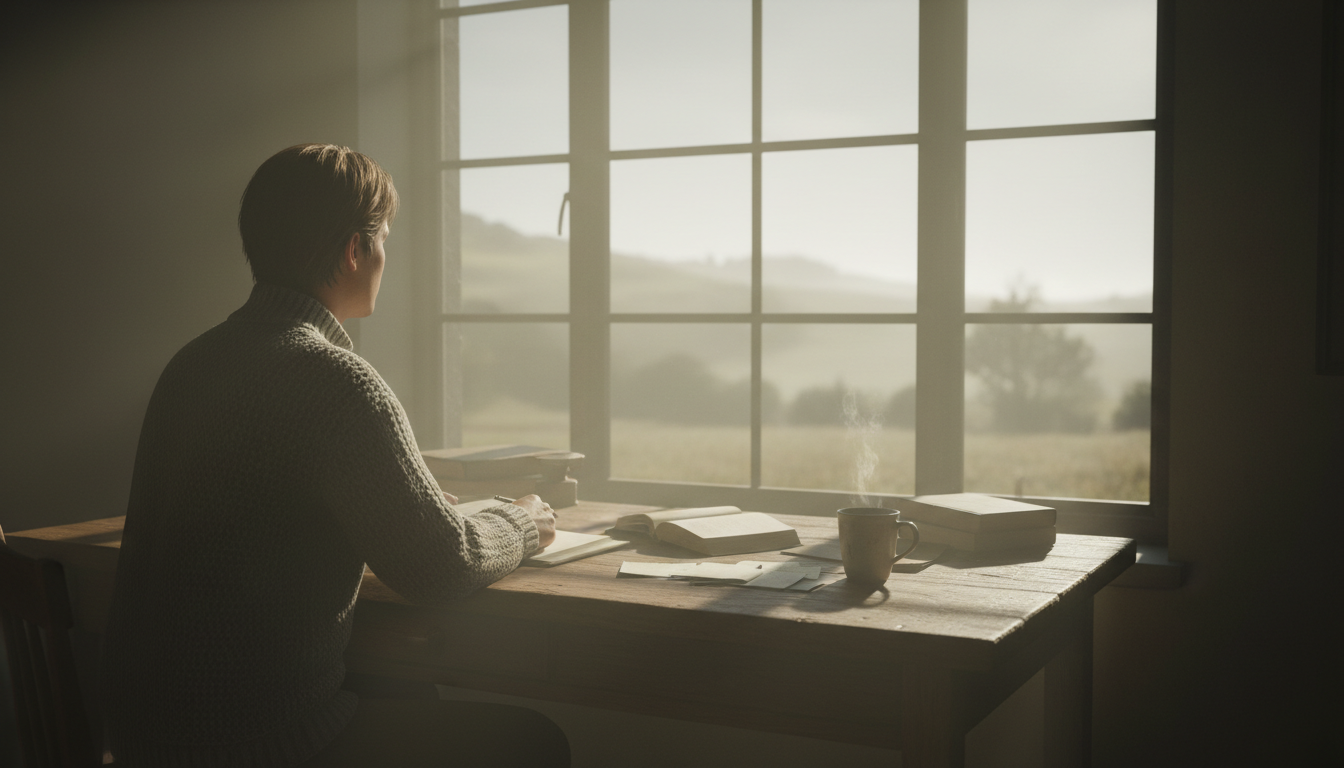
The primary concern following a solitude creativity artist residency is the perceived fragility of the transformation. Many participants fear that the clarity achieved in Bussière-Badil is a byproduct of the geography rather than a permanent cognitive shift. In reality, the work done at our restorative property serves as a blueprint for a sustainable solitude practice that can be integrated into a demanding professional life. Integration is not about recreating the French countryside; it is about protecting the mental space you have reclaimed.
To maintain this state, implement these concrete strategies:
Designate a Fallow Hour: Schedule sixty minutes each week for total non-doing. No inputs, no digital devices, and no specific output required. This preserves the default mode network's ability to synthesize information.
Use Sensory Anchors: Replicate a specific sensory experience from your residency, such as a particular scent or a tea ritual, to trigger an immediate shift into deep work mode.
Leverage Guided Transitions: Access our free practice resources to recalibrate your nervous system during high-stress weeks. These structured rituals serve as a psychological bridge, allowing you to re-enter a state of generative quietude without needing to leave your home environment.
By treating solitude as a professional discipline rather than a vacation luxury, you ensure the insights gained during your stay remain accessible and productive.
Embracing solitude is more than a simple retreat from the world; it is a dedicated choice to let your artistic voice grow without distraction. By stepping away from daily noise, you allow your creative process the room it truly deserves to flourish. If you want expert help in finding that perfect balance of quiet and inspiration, our Creative Residencies offer a supportive environment designed for your growth. We provide the physical space and peaceful atmosphere so you can focus entirely on your craft.